
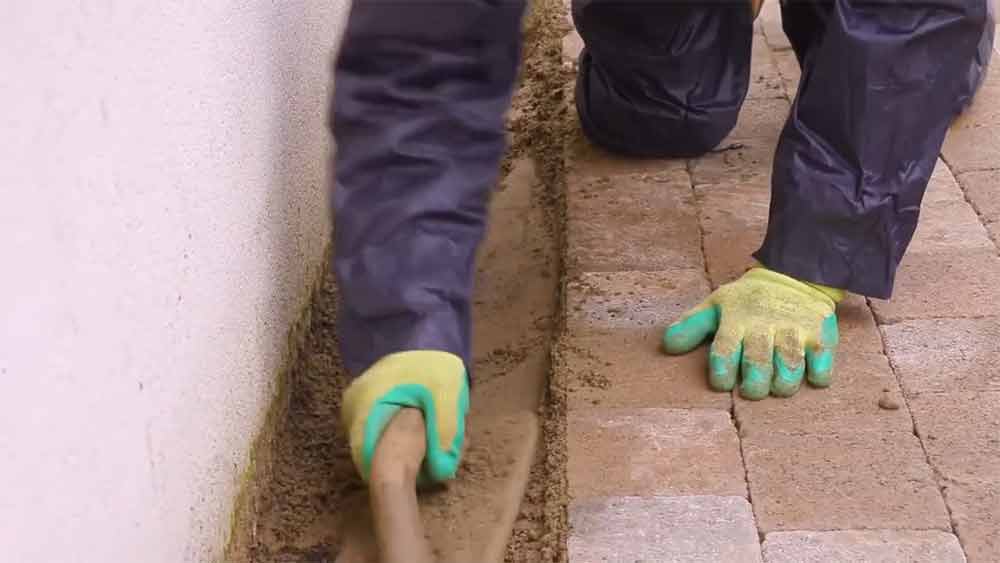
Are block paving driveways prone to sinking, or is it simply a myth? Many homeowners have concerns about the durability of block paving and believe that it will inevitably sink over time. However, the truth is that block paving sinking is not always inevitable, and there are various factors that can contribute to this issue.
Insufficient support from a sub base, poor ground preparation, lack of edging, water seepage under the driveway, and leaks in pipes beneath the surface can all contribute to block paving sinking. Understanding these factors and taking the necessary steps to address them can help prevent sinking and maintain a smooth and sturdy driveway.
Key Takeaways:
- Block paving driveways do not always sink; it is a myth that they inevitably sink over time.
- Sinking can be caused by factors such as insufficient support from a sub base, poor ground preparation, lack of edging, water seepage, and leaks in pipes beneath the driveway.
- To fix sinking block paving, options include relaying the affected area, leveling up with grit sand, or contacting the company responsible for the installation.
- Choosing a reputable contractor and ensuring proper preparation and installation can help prevent sinking in the future.
- Consider using resin bound as a material for a sink-free and long-lasting driveway.
Factors Contributing to Block Paving Sinking
Several factors can lead to block paving driveways sinking over time. Insufficient support from a sub base is one of the main culprits. If the sub base beneath the paving is not properly compacted or lacks the necessary thickness, it can gradually give way, causing the blocks to sink. Additionally, poor preparation of the ground before installation can result in an unstable foundation, leading to sinking.
Another factor is the absence of edging, which helps to keep the blocks in place. Without proper edging, the blocks can shift and sink, especially under heavy foot and vehicle traffic. Water seepage under the driveway is another common cause of sinking. When water infiltrates the sub base, it weakens the ground beneath the blocks, causing them to sink over time. Leaks in pipes located beneath the driveway can also contribute to sinking by creating voids in the ground.
To fix sinking block paving, there are a few options available. If only a portion of the driveway is affected, relaying that specific area can help resolve the sinking issue. Leveling up the uneven surface with grit sand is another possible solution.
Additionally, if the block paving was installed by a company, contacting them to assess the situation and provide a solution is recommended. In any case, it is crucial to choose a reputable contractor who can ensure proper preparation and installation of the driveway to prevent sinking in the future.

Considering alternative materials like resin bound can also provide a sink-free and long-lasting driveway surface. Resin bound driveways are made by mixing aggregates with clear resin, creating a durable and sturdy pavement that is resistant to sinking. By using resin bound, homeowners can enjoy a beautiful driveway that requires minimal maintenance and avoids the sinking issues commonly associated with block paving.
However, prevention is always better than a cure. Regular maintenance is key to preventing block paving driveways from sinking. This includes re-sanding the joints periodically to maintain stability and prevent shifting of the blocks. Additionally, sealing the driveway helps to protect it from water seepage and potential sinking. By implementing these maintenance practices, homeowners can ensure that their block paving driveway remains structurally sound and free from sinking for years to come.
Fixing Sinking Block Paving
If your block paving driveway has already started to sink, there are several solutions available to address the issue. One option is to relay the affected area, removing the sunken blocks and replacing them with new ones. This process requires careful removal and replacement to ensure a level surface.
Another solution is to level up the uneven area using grit sand. This involves adding a layer of sand to the sunken areas and compacting it to create a firm base. By gradually adding and compacting the grit sand, you can bring the sunken blocks back to their original level.
If the sinking is a result of poor installation or workmanship, it is important to contact the company responsible for the block paving. A reputable contractor should be willing to assess the situation and provide a suitable solution or rectify any mistakes made during the initial installation.
To prevent sinking block paving in the future, it is crucial to choose a reputable contractor who has experience in proper preparation and installation techniques. This will ensure that your driveway is built to withstand the test of time. Proper preparation, such as a well-compacted sub base and adequate edge restraint, is essential to prevent sinking. Additionally, using a material like resin bound for a new driveway can provide a sink-free and long-lasting surface.
Regular maintenance is also key in preventing block paving driveways from sinking. Re-sanding the joints between the blocks helps to keep them securely in place, preventing movement and sinking. Sealing the driveway can provide an extra layer of protection against water seepage and prolong the lifespan of your paving.
| Summary: |
| If your block paving driveway has already started to sink, you can address the issue by relaying the affected area or leveling up with grit sand. Contacting the company responsible for the installation can help rectify any mistakes. To prevent sinking in the future, choose a reputable contractor and ensure proper preparation and installation. Consider using resin bound for a sink-free and long-lasting driveway. Regular maintenance, such as re-sanding joints and sealing, is crucial in preventing sinking. |
Choosing Resin Bound for a Sink-Free Driveway
An excellent option to consider for a sink-free and durable driveway is resin bound. This innovative material offers numerous advantages over traditional block paving driveways, making it an attractive choice for homeowners seeking a long-lasting and visually appealing surface.
Resin bound driveways consist of natural aggregates or recycled materials mixed with a clear resin binder. The mixture is applied directly to the prepared surface, creating a seamless and smooth finish that is resistant to sinking. Unlike block paving, resin bound driveways do not have individual bricks or blocks that can shift or sink over time.
Furthermore, resin bound driveways have excellent drainage properties, allowing water to permeate through the surface and into the ground below. This helps to prevent water seepage and reduces the risk of puddles or pooling on the driveway. The permeability of resin bound surfaces also complies with UK regulations regarding sustainable urban drainage systems (SuDS).
Advantages of Resin Bound Driveways:
- Resistant to sinking and shifting
- Smooth and seamless finish
- Durable and long-lasting
- Excellent drainage properties
- Various color and aggregate options for customization
Resin bound driveways are available in a range of colors and aggregate combinations, allowing homeowners to create a unique and visually appealing entrance to their property. The material is also UV stable, meaning it will not fade or deteriorate with prolonged sun exposure, resulting in a vibrant and attractive driveway for years to come.
When considering a new driveway or a replacement for sinking block paving, resin bound offers a practical and aesthetically pleasing solution. Its sink-free nature, long-lasting properties, and resistance to shifting make it a reliable choice for homeowners who value both functionality and visual appeal.
| Advantages | Disadvantages |
|---|---|
| Resistant to sinking and shifting | Requires professional installation |
| Smooth and seamless finish | Higher initial cost compared to some alternatives |
| Durable and long-lasting | May require occasional maintenance to preserve appearance |
| Excellent drainage properties | Not suitable for heavily trafficked areas |
| Various color and aggregate options for customization |
Preventing Block Paving Sinking with Maintenance
Proper and regular maintenance is key to preventing block paving driveways from sinking. By following a few simple steps, you can keep your driveway in excellent condition and avoid the common problem of sinking paving.
- Re-sanding joints: Over time, the sand between the paving blocks can become dislodged or washed away. Regularly re-sanding the joints with kiln-dried sand not only helps to stabilize the blocks but also prevents weeds from growing and water from seeping underneath.
- Sealing the driveway: Applying a high-quality sealant to the surface of your block paving driveway provides an extra layer of protection against water damage, staining, and color fading. It also helps to keep the blocks in place and minimizes the risk of sinking.
- Removing debris: Regularly sweeping or using a leaf blower to remove debris such as leaves, dirt, and twigs from the surface of your driveway can help prevent block movement and maintain proper drainage.
- Inspecting for damage: Routinely inspect your driveway for any signs of damage, including cracks, unevenness, or loose blocks. Promptly addressing these issues can prevent further deterioration and potential sinking.
Remember, prevention is always better than cure. By investing a little time and effort into regular maintenance, you can ensure that your block paving driveway remains level, stable, and free from sinking. If you’re unsure about any maintenance tasks or if your driveway requires professional attention, don’t hesitate to consult a reputable contractor for advice.
| Maintenance Tasks | Frequency |
|---|---|
| Re-sanding joints | Once every year or as needed |
| Sealing the driveway | Every 2-3 years |
| Removing debris | Regularly, especially during autumn |
| Inspecting for damage | Twice a year |
Choosing the Right Block Paving Contractors
Selecting the right block paving contractor is crucial to avoid potential issues like sinking driveways. When it comes to block paving projects, it’s important to find reputable block paving contractors or companies with the necessary experience and expertise to ensure a successful and long-lasting installation.
One key aspect to consider when choosing a block paving contractor is their reputation. Look for contractors who have a solid track record of delivering high-quality work and customer satisfaction. Reading online reviews and seeking recommendations from friends, family, or neighbors can provide valuable insights into the reputation of different contractors.

Experience in proper preparation and installation techniques is another crucial factor to consider.
Ask potential contractors about their experience in handling projects similar to yours.
A knowledgeable contractor will have a thorough understanding of the necessary steps for proper ground preparation, effective sub base installation, and adequate edging to prevent sinking.
Additionally, it’s essential to check if the contractor is registered and insured.
This ensures that they meet the necessary legal requirements and provides you with protection in case of any unforeseen issues or accidents during the project. Don’t hesitate to ask for proof of insurance and registration before making your final decision.
Table: Important Considerations when Selecting a Block Paving Contractor
| Consideration | What to Look for |
|---|---|
| Reputation | Positive online reviews, recommendations |
| Experience | Previous projects similar to yours |
| Registration and Insurance | Proof of registration and insurance |
By considering these factors and conducting thorough research, you can ensure that you choose a reputable and skilled block paving contractor who will provide a high-quality installation, minimizing the risk of issues like sinking driveways in the future. Taking the time to select the right contractor will give you peace of mind and a beautiful block paving driveway that will stand the test of time.
Conclusion
Block paving driveways sinking is not an inevitable outcome, and by choosing the right contractors and materials, homeowners can enjoy a durable and long-lasting surface for their driveways. Sinking can be caused by various factors, including insufficient support from a sub base, poor ground preparation, lack of edging, water seepage, and leaks in pipes beneath the driveway.
To fix sinking block paving, there are several options available. Homeowners can consider relaying the affected area, leveling up the uneven surface with grit sand, or contacting the company responsible for the installation. It is crucial to choose a reputable contractor who understands the importance of proper preparation and installation to prevent sinking in the future.
Alternatively, homeowners can explore alternative materials like resin bound for their driveways. Resin bound driveways offer a sink-free and long-lasting solution, providing homeowners with peace of mind and a visually appealing surface. Regular maintenance is also essential in preventing sinking. Activities such as re-sanding joints and sealing the driveway can help maintain its integrity and prevent sinking over time.
In conclusion, homeowners can debunk the myth that block paving driveways always sink. By taking proper precautions, choosing reputable contractors, considering alternative materials like resin bound, and implementing regular maintenance, homeowners can enjoy a beautiful, durable, and sink-free driveway for years to come.
Source Links
- https://improveoutdoors.com/why-has-my-block-paving-sank/
- https://www.yewtreelandscapes.com/post/why-is-my-block-paving-sinking
- https://www.homelogic.co.uk/why-is-my-driveway-sinking-the-definitive-answer
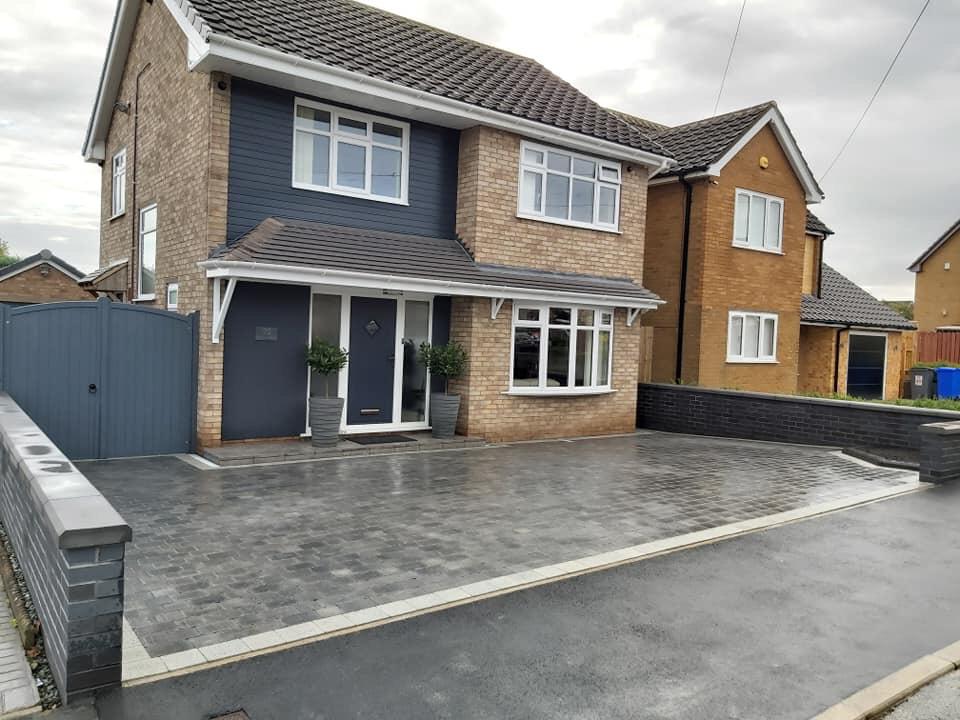
Enhancing the look and feel of your home with a quality driveway is one of the best investments you can Read more

In the realm of block paving, the necessity of a membrane beneath the surface has become a topic of debate. Read more
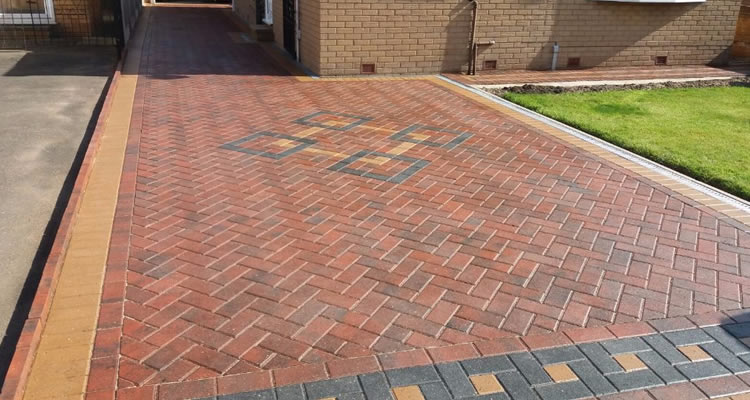
Sealing block paving before sand is a crucial step in enhancing its durability, preventing weed growth, and stains, and achieving Read more