
In the realm of block paving, the necessity of a membrane beneath the surface has become a topic of debate. This article seeks to provide an objective analysis on whether or not a membrane is required for successful block paving projects.
By examining the benefits, considering relevant factors, and exploring scenarios where a membrane may not be necessary, readers can make informed decisions about their own paving endeavours.
The goal is to present technical details and informative insights without relying on personal pronouns or subjective opinions in order to offer an unbiased examination of this matter.
Benefits of Using a Membrane Under Block Paving
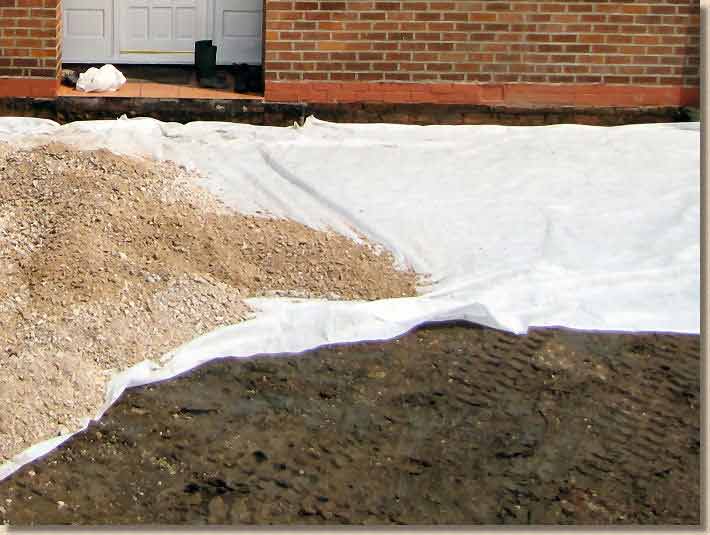
One of the benefits of using a membrane under block paving is that it helps to prevent weed growth and the migration of fine particles into the sub-base. This is achieved by creating a barrier between the sub-base and the paving stones, effectively blocking any potential infiltration from below.
The membrane acts as a protective layer, reducing the likelihood of weeds sprouting up through the gaps in the blocks and ensuring that no soil or other debris can penetrate into the sub-base.
Additionally, by preventing weed growth, it eliminates the need for regular maintenance such as weeding or herbicide application.
Installing a membrane under block paving also enhances stability and durability by providing additional support to the pavers, thereby prolonging their lifespan.
In terms of installation tips, it is important to choose a high-quality permeable membrane that allows water drainage while still preventing weed growth. Properly preparing and compacting the sub-base before installing the membrane is crucial for optimal performance.
Factors to Consider When Deciding on a Membrane
When considering the installation of block paving, it is important to take into account various factors that influence the decision on whether or not to use a membrane. These factors include cost considerations and long-term durability.
Cost considerations: Installing a membrane under block paving can add an extra expense to the project. Membranes are typically made from specialised materials designed to prevent weed growth and enhance stability. However, their cost may outweigh their benefits if there is no significant weed problem in the area or if the soil already provides adequate stability for the paving.
Long-term durability: Block paving without a membrane can be susceptible to weed growth, which can undermine its structural integrity over time. Additionally, without a membrane, sand used for jointing between blocks may wash away, leading to sinking or uneven surfaces. In contrast, using a membrane can help reduce these issues by providing an additional barrier against weeds and stabilising the sand joints.
Considering these factors will assist in making an informed decision about whether employing a membrane under block paving is necessary for your specific project. Do You Seal Block Paving Before Sand?
Scenarios Where a Membrane May Not Be Necessary
In certain circumstances, the absence of a protective layer may not result in weed growth or instability in the jointing material.
While using a membrane is often recommended to prevent weed growth and enhance stability in block paving projects, there are alternative options for controlling weeds that may be suitable depending on the specific situation.
One option is applying a herbicide directly onto the prepared bedding layer before laying the blocks. This can help to eliminate any existing weeds and prevent new ones from growing through.
Additionally, regular maintenance practices such as sweeping and power washing can help control weed growth.
However, it is important to consider factors such as site conditions, climate, and intended use when deciding whether or not to use a membrane or explore alternative methods for controlling weeds in block paving projects.
Making an Informed Decision for Your Paving Project

To make an informed decision for a paving project, it is crucial to carefully evaluate factors such as site conditions, climate, and intended use.
Proper preparation is essential to ensure the long-term durability of the pavement. One important aspect of preparation is determining whether a membrane is necessary under block paving.
A membrane can provide additional benefits such as weed control and prevention of base material contamination. However, its necessity depends on various factors including soil type, drainage conditions, and the presence of tree roots.
Evaluating these factors will help determine if a membrane should be used. The table below summarises some key considerations for deciding whether or not to use a membrane:
| Factors to Consider | Membrane Necessary? |
|---|---|
| High water table | Yes |
| Clayey soil | Yes |
| Sloping site | No |
Final Thoughts
In conclusion, it is highly recommended to use a membrane under block paving due to its numerous benefits. This protective layer prevents weed growth, reduces the risk of subsidence and improves drainage, ensuring the longevity and stability of your paved area.
However, one should consider various factors such as soil type, climate conditions, and budget before deciding on the need for a membrane. While there may be scenarios where a membrane is not necessary, it is crucial to make an informed decision based on these considerations.
Remember, ‘an ounce of prevention is worth a pound of cure.
Call us to get a price quote on a block paving. Contact us today on 07595 510190 to receive a free quote or visit our website.
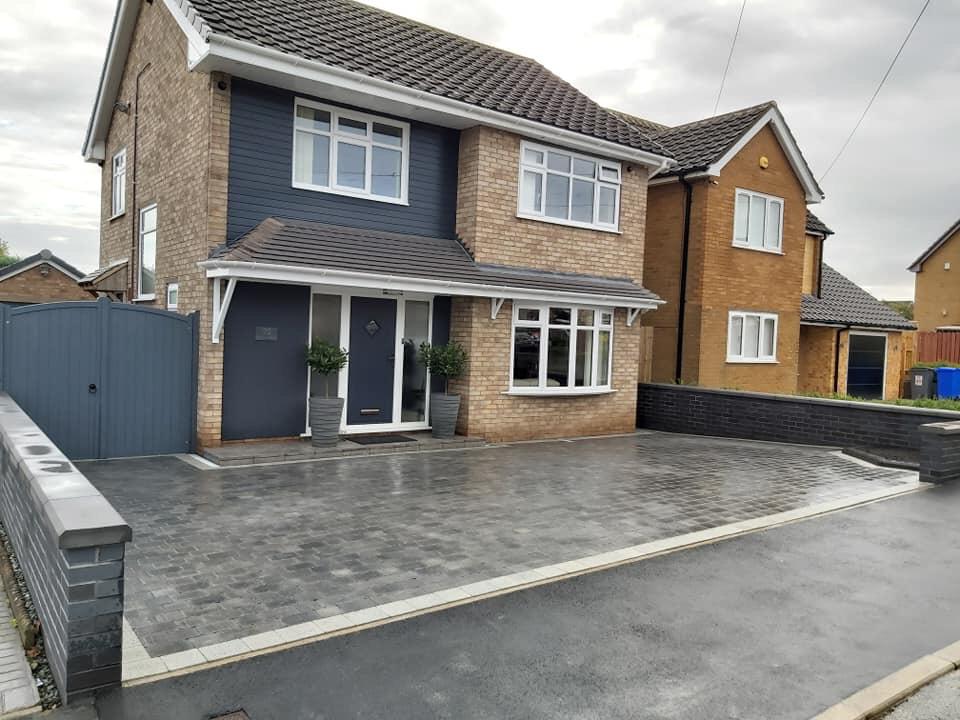
Enhancing the look and feel of your home with a quality driveway is one of the best investments you can Read more
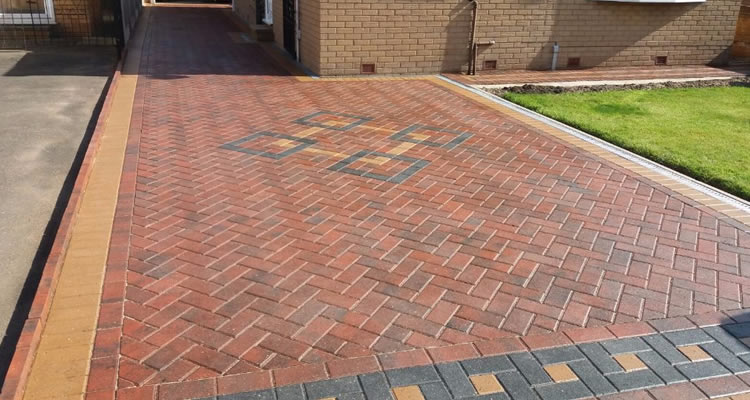
Sealing block paving before sand is a crucial step in enhancing its durability, preventing weed growth, and stains, and achieving Read more
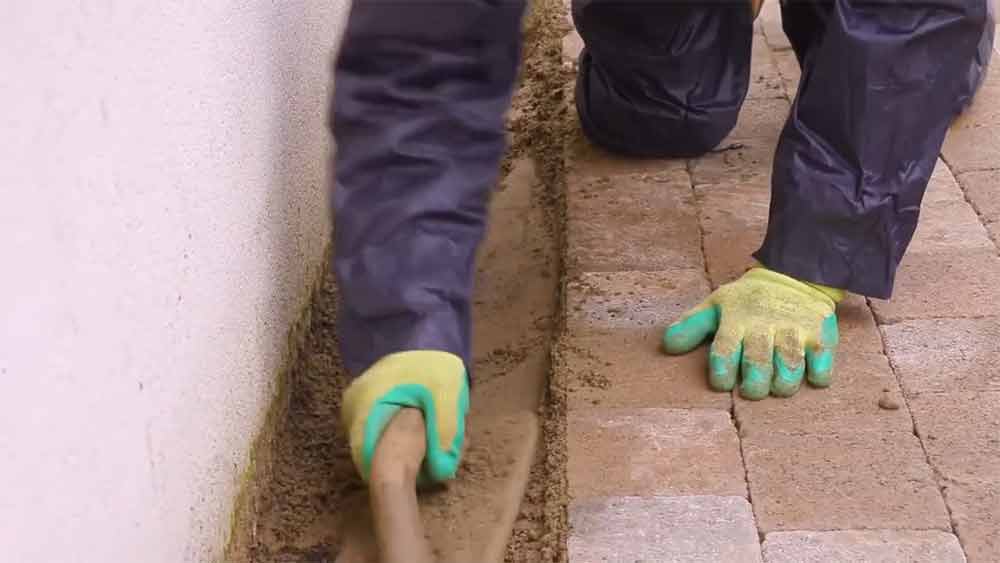
Are block paving driveways prone to sinking, or is it simply a myth? Many homeowners have concerns about the durability of block paving and Read more