
Sealing block paving before sand is a crucial step in enhancing its durability, preventing weed growth, and stains, and achieving a polished appearance. This article aims to explore the significance of sealing block paving prior to sand installation.
By providing informative and detailed insights, readers will gain knowledge on the benefits associated with this technique.
The objective and impersonal writing style employed in this article ensures an unbiased analysis of whether one should seal block paving before adding sand.
The Importance of Sealing Block Paving
The importance of sealing block paving lies in its ability to protect the surface from potential damage caused by weathering and everyday wear and tear. Sealing block paving offers several benefits that contribute to its longevity and overall appearance.
One of the main advantages is that it acts as a barrier against moisture, preventing water from seeping into the blocks and causing cracks or deterioration. Additionally, sealing helps to inhibit the growth of weeds and moss, as well as prevent oil stains.
Furthermore, sealed block paving is easier to clean and maintain since dirt and debris can be easily washed away without penetrating the surface. To ensure optimal performance, regular maintenance is necessary for sealed block paving.
This includes cleaning with mild detergents or specialised cleaners designed for block paving surfaces, reapplying sealant every few years, and repairing any damaged areas promptly to prevent further deterioration.
Enhancing Durability and Longevity
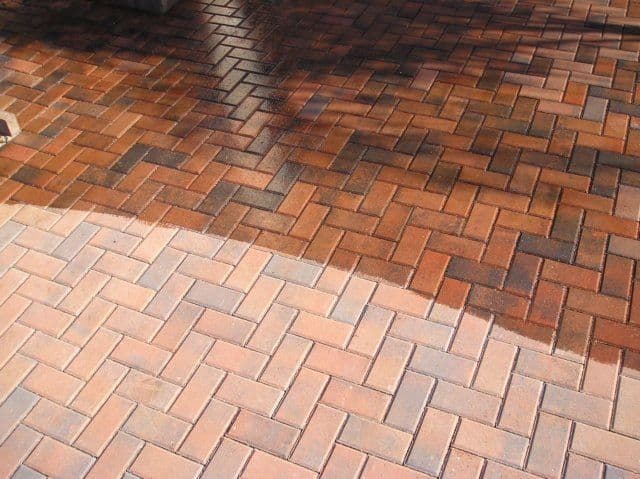
To enhance the durability and longevity of block paving, it is recommended to apply a sealant on the surface after the sand has been applied. Sealing block paving provides numerous benefits that can greatly improve its overall performance and resilience.
- Improving structural integrity: The sealant acts as a protective barrier, preventing water penetration and reducing the risk of damage caused by freeze-thaw cycles. It helps to stabilise the blocks, minimising movement and keeping them securely in place.
- Increasing resistance to weathering: Block paving is exposed to various weather conditions such as rain, sunlight, and temperature fluctuations. A sealant forms a shield against these elements, reducing the impact of UV rays, preventing colour fading, and inhibiting weed growth.
- Enhancing aesthetics: Sealants add a glossy finish to block paving surfaces, enhancing their appearance and making them more visually appealing.
- Simplifying maintenance: Sealed block paving is easier to clean as dirt and stains are less likely to penetrate into the surface. Regular maintenance becomes simpler with an added layer of protection.
Overall, applying a sealant after sand application significantly improves block paving’s durability and longevity while also providing aesthetic benefits and simplifying maintenance tasks.
Preventing Weed Growth and Stains
Applying a sealant on the surface of block paving after sand application can effectively prevent weed growth and stains.
By creating a protective barrier, the sealant acts as a deterrent, inhibiting the germination and growth of weeds in the gaps between the blocks.
Additionally, it prevents stains from penetrating into the porous surface of the paving, making it easier to clean and maintain its appearance.
The sealant also plays a role in preventing cracks by reducing water penetration and minimising freeze-thaw damage.
This is especially important for areas with harsh weather conditions or heavy usage.
Achieving a Beautiful and Polished Finish
Achieving a beautiful and polished finish on block paving can be accomplished through the use of various techniques.

To maintain colour vibrancy and protect against weather damage, consider implementing the following methods:
- Regular cleaning: Block paving should be cleaned regularly to remove dirt, debris, and stains. This can be done using a pressure washer or by scrubbing with a mild detergent and water.
- Sealing the surface: Applying a sealant to block paving helps to protect it from weathering, UV rays, and staining. It also enhances the colour vibrancy by preventing fading caused by exposure to sunlight.
- Resanding the joints: Over time, the sand between block paving joints can erode or wash away. Resanding these joints not only improves stability but also gives a smoother and more uniform appearance to the paved surface.
Conclusion
In conclusion, sealing block paving before sand is crucial for various reasons. It enhances the durability and longevity of the paving by protecting it from weathering and erosion.
Sealing also prevents weed growth and stains, maintaining the overall appearance and functionality of the paved area. By sealing block paving, one can achieve a beautiful and polished finish that adds value to their property.
An interesting statistic to consider is that sealed block paving can last up to five times longer than unsealed paving, highlighting the significant impact of sealing on its lifespan.
Call us to get a price quote on a block paving. Contact us today on 07595 510190 to receive a free quote or visit our website.
What Happens If You Don’t Seal Pavers
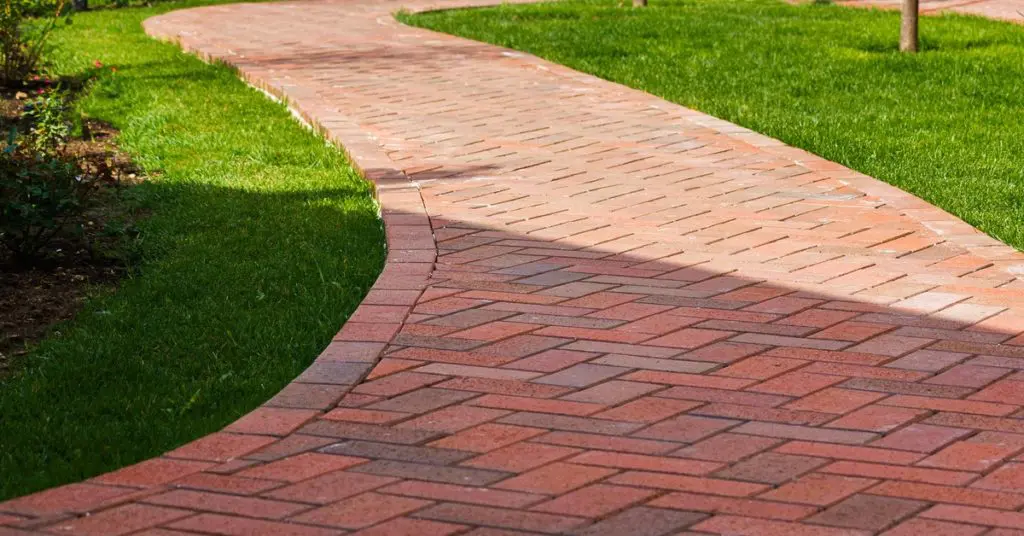
Ever thought about what happens if you skip sealing your block paving? Many homeowners forget this key step, but it can lead to big problems.
How Can I Reduce The Cost Of My Patio
Do you dream of a beautiful, budget-friendly patio for your outdoor space? With smart planning, you can make your dream a reality without spending a

Why Do My Pavers Look Dull
Did you notice your block paving, paving stones, or brick paving lose their shine? This common problem affects many homeowners. It’s tough to keep driveway
Enhancing the look and feel of your home with a quality driveway is one of the best investments you can Read more

In the realm of block paving, the necessity of a membrane beneath the surface has become a topic of debate. Read more
Are block paving driveways prone to sinking, or is it simply a myth? Many homeowners have concerns about the durability of block paving and Read more